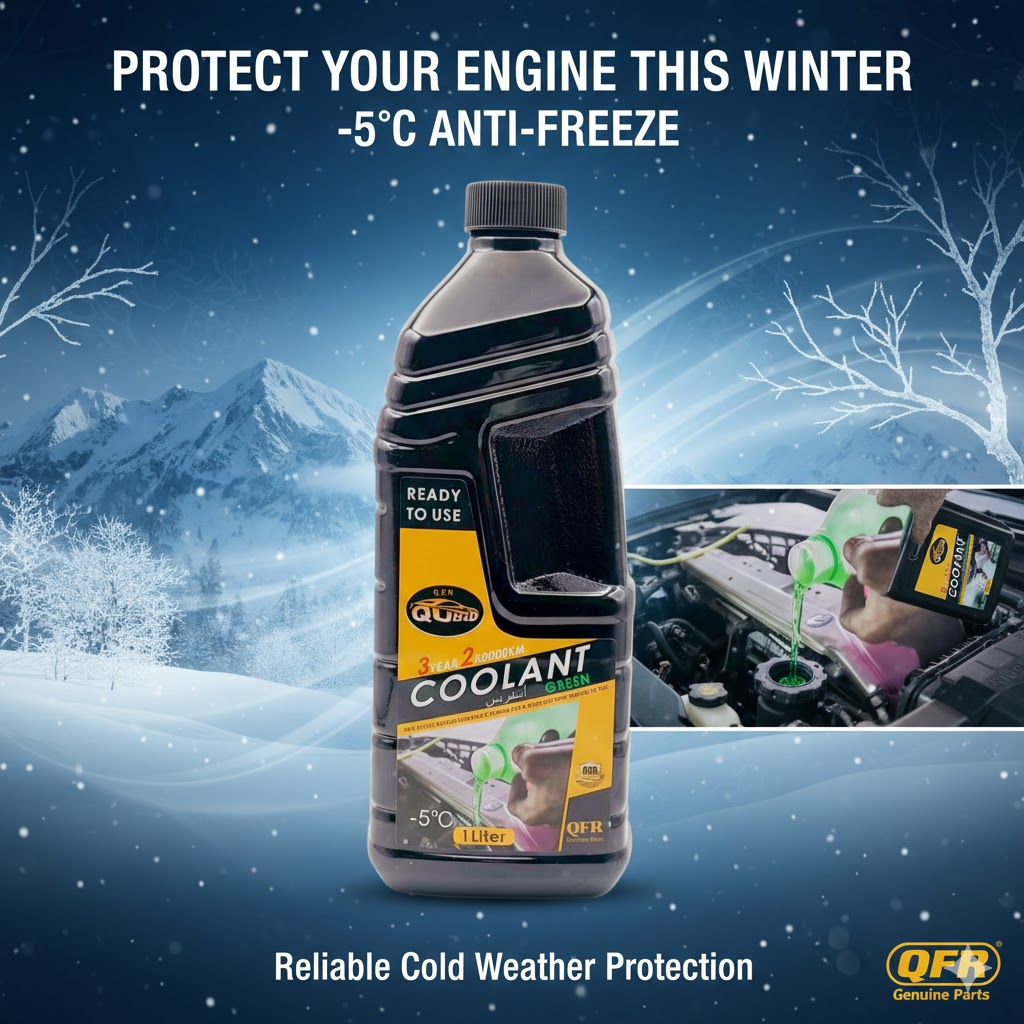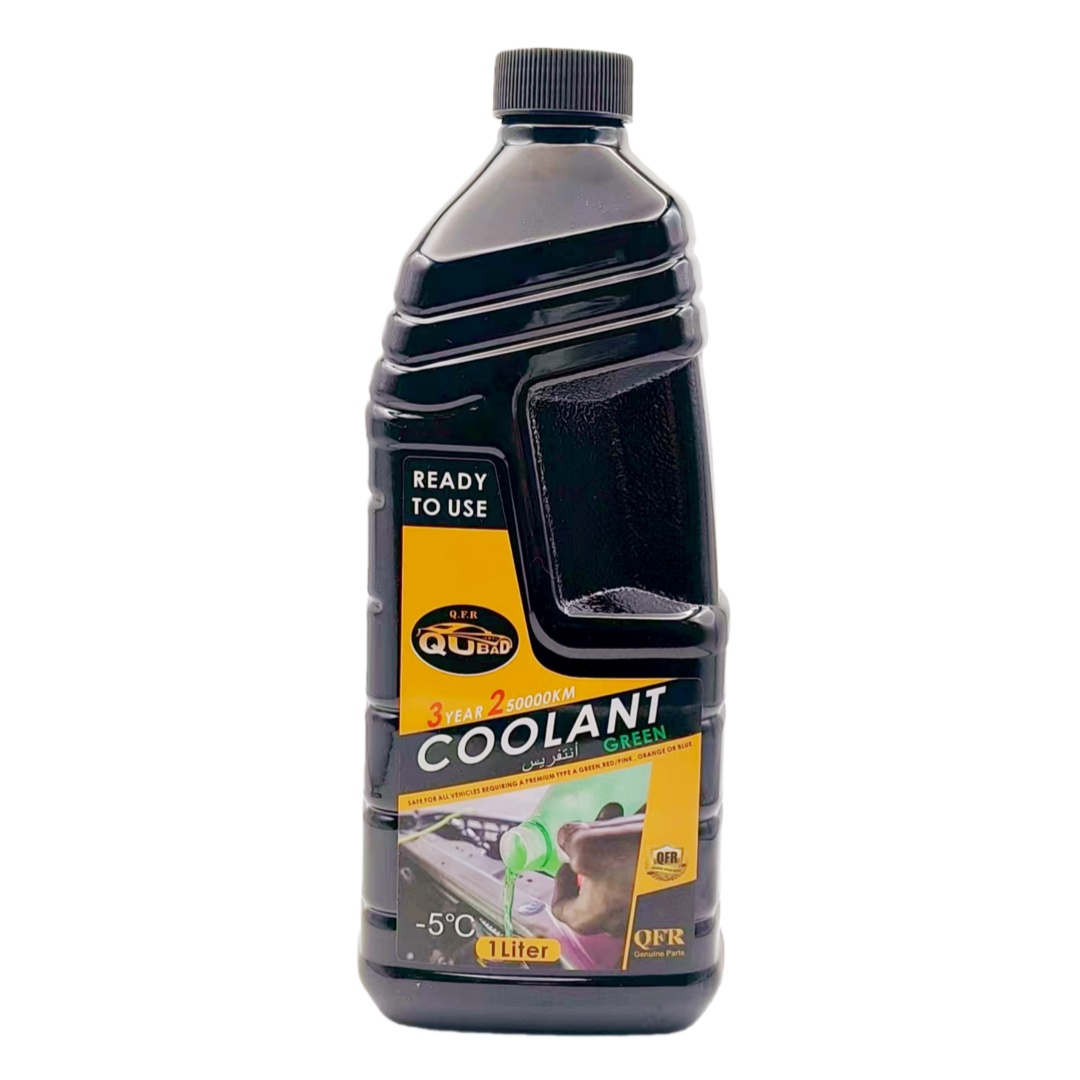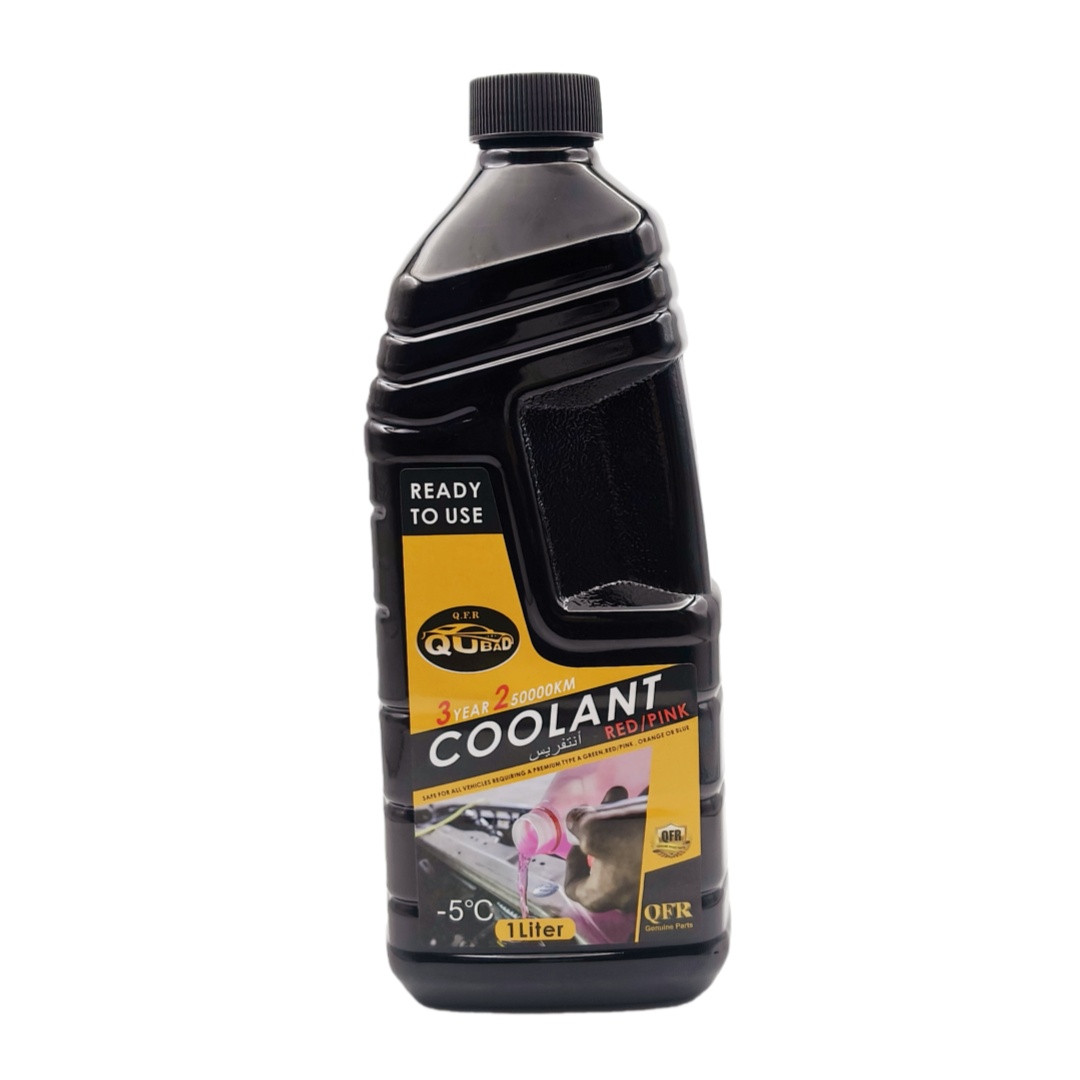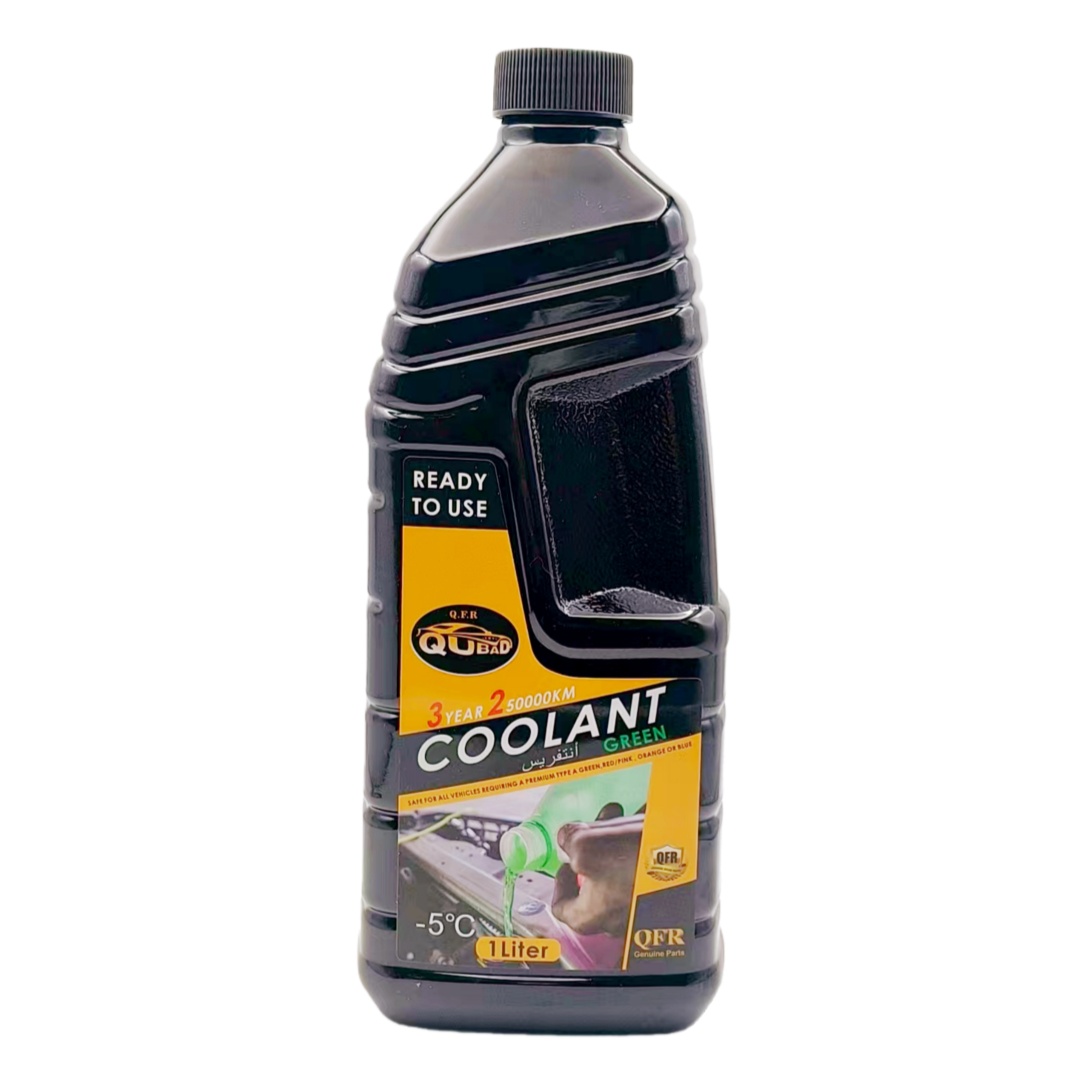
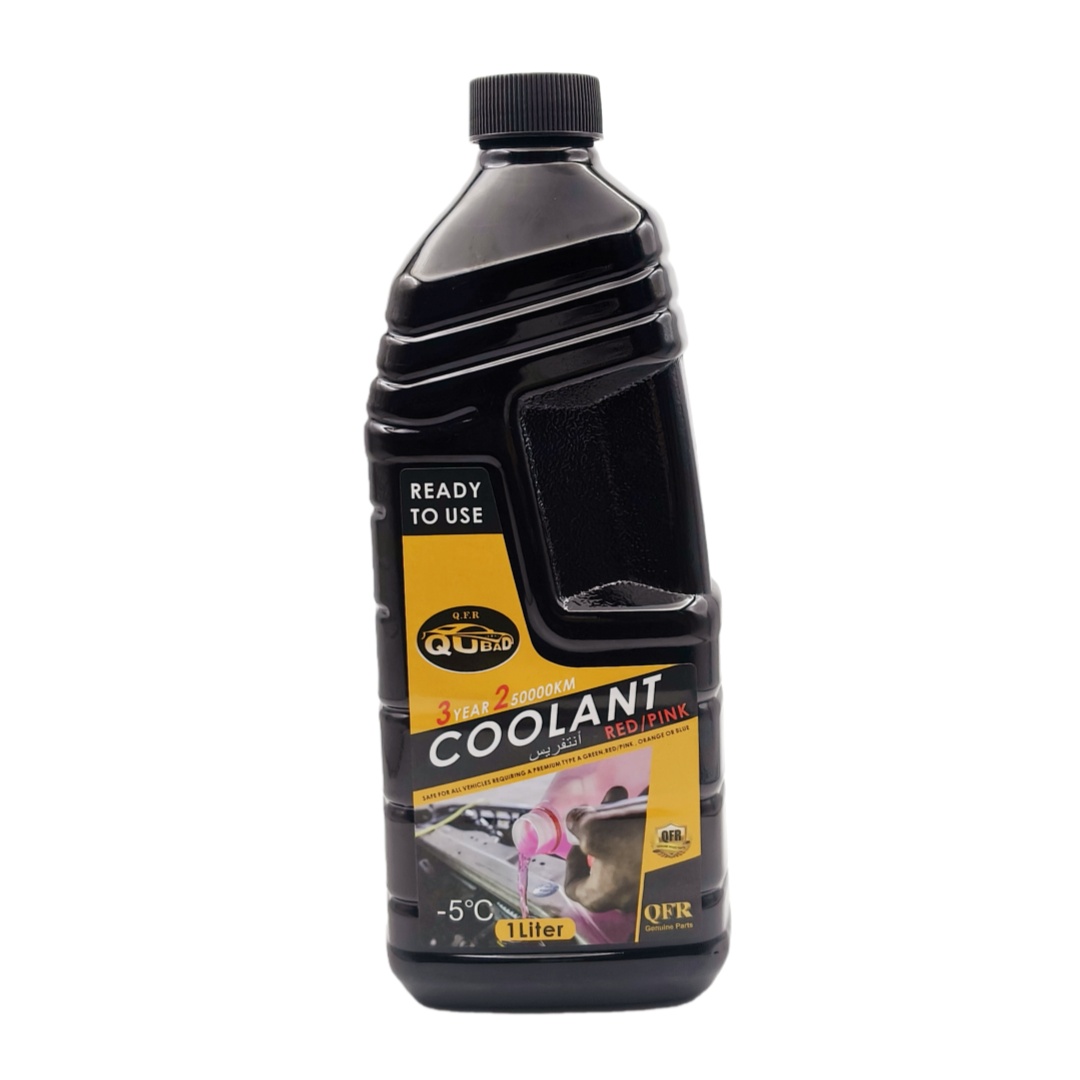

Product Introduction
Coolant, also known as antifreeze, OAT Formula, is a specialized fluid designed to regulate engine or machinery temperatures by absorbing and dissipating heat. It is commonly used in automotive engines, industrial equipment, and HVAC systems.
Key Features
1. Heat Transfer Efficiency
o Optimizes thermal conductivity to prevent overheating and maintain stable operating temperatures.
2. Anti-Corrosion Protection
o Contains inhibitors to protect metal components (e.g., aluminum, copper, steel) from rust and corrosion.
3. Freeze and Boil Resistance
o Lowers the freezing point and raises the boiling point for year-round reliability.
4. Foam Inhibition
o Reduces foam formation to ensure consistent fluid circulation.
5. Compatibility
o Safe for use with seals, gaskets, and hoses in most systems.
6. Extended Service Life
o Long-lasting formula reduces the need for frequent replacement (5-year/250,000 km formulations).
7. Eco-Friendly Options
o Some variants use biodegradable components or low-toxicity propylene glycol.
Precautions
1. Storage
o Keep in a cool, dry place, away from direct sunlight and children/pets.
2. Safety Measures
o Wear gloves and goggles when handling; avoid skin/eye contact. Glycol-based coolants are toxic if ingested.
3. Disposal
o Dispose of used coolant responsibly at approved recycling centers; never pour into drains or soil.
Shelf Life
- Typical Shelf Life: 3 years (unopened, in original packaging).
- Post-Opening: Use within 3 months if stored properly.
- Storage Conditions: Maintain between 5°C–30°C (41°F–86°F); avoid temperature extremes.
- Expired Coolant: Discard if discolored, contaminated, or beyond the expiration date.